From Learning to Action: Developmental Leaders Forge a Shared Future for the Gamagara-Tsantsabane Region

Published by Somila Rozani, Elsona van Huyssteen in Municipal Region Compact · Monday 03 Aug 2026 · 4:00
Tags: Developmental, Leadership, Gamagara, Tsantsabane, local, leaders, collaboration, shared, future, community, action, transformative, learning, regional, development, leadership, programme
Tags: Developmental, Leadership, Gamagara, Tsantsabane, local, leaders, collaboration, shared, future, community, action, transformative, learning, regional, development, leadership, programme
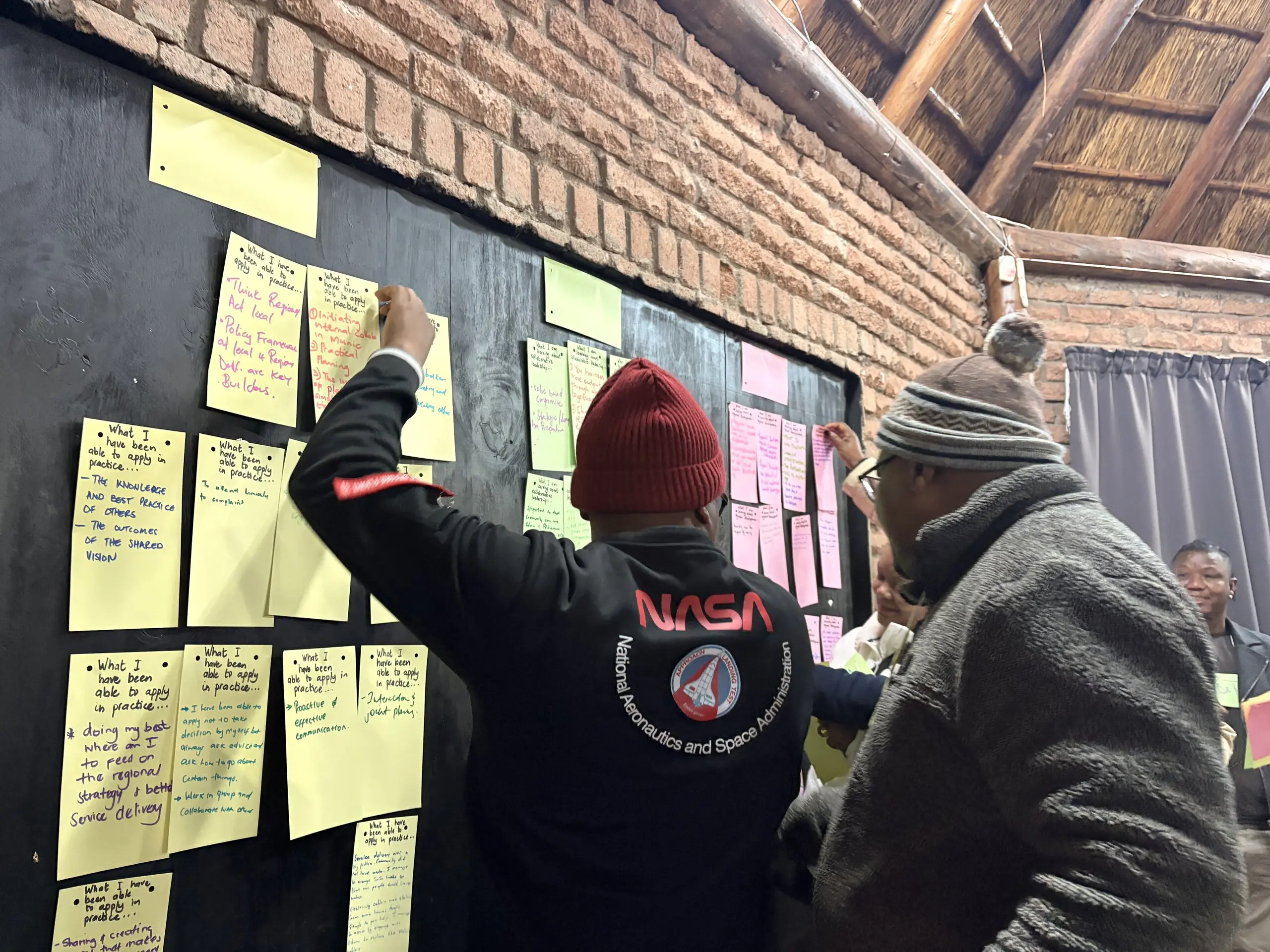
The Municipal Capability and Partnership Programme (MCPP) recently concluded the third and final session of the Developmental Leadership Programme for political and administrative leaders from Gamagara and Tsantsabane local municipalities. Held on 14 to 15 July 2026 in Kathu, the two-day session marked the culmination of a learning journey focused on strengthening collaborative leadership for regional development.
Building on the previous two sessions, the programme shifted from understanding collaborative leadership to applying it in practice. Through reflection, practical case studies and collaborative problem-solving, participants explored how stronger partnerships across municipal boundaries can unlock the region's long-term development potential.
Reflecting on the Journey
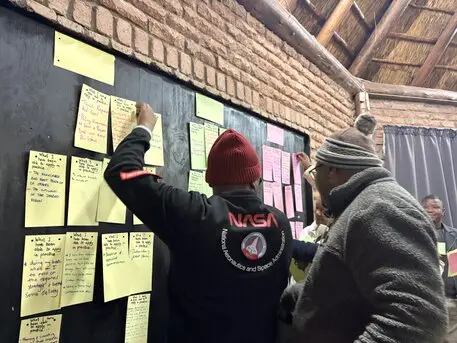
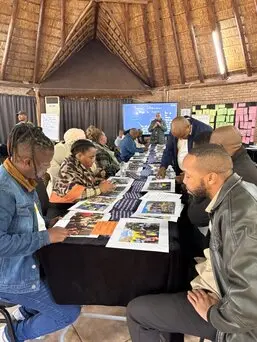
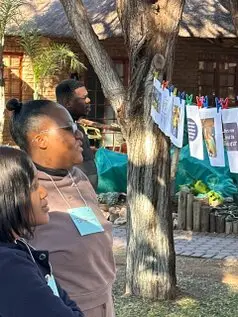
The session opened with a Gallery Walk featuring photographs, participant reflections and highlights from the previous sessions. Leaders reflected on what they had learned about regional development and collaborative leadership, and how they had already begun applying these lessons in their work.
Participants spoke about the importance of thinking beyond municipal boundaries, recognising that "the economy has no administrative boundary." They also reflected on improvements in teamwork, stakeholder engagement and collaboration within their own municipalities.

Exploring Regional Collaboration in Practice
Professor Mark Oranje from the University of Pretoria unpacked the legal, policy and governance frameworks that support cross-boundary regional development planning in South Africa, drawing on both local and international examples.
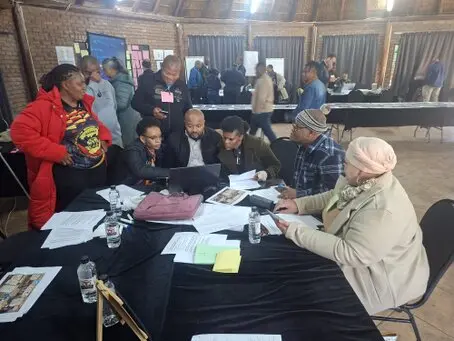
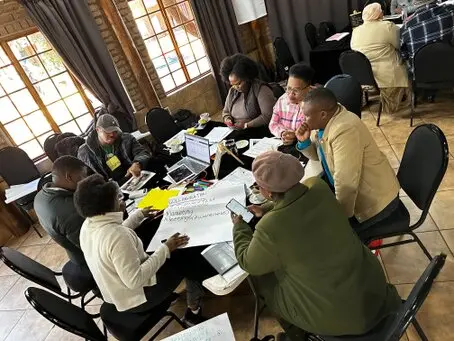
Participants then worked in cross-municipal teams on regional case studies focused on the green economy, sports tourism, the circular economy and agro-processing. They identified shared investment opportunities, implementation partners and practical actions needed to unlock regional collaboration for development.
The presentations demonstrated knowledge of key regional and local instruments and evidence, and the ability to find solutions and collaborate beyond sectoral and municipal boundaries. The observation panel noted that the strongest proposals were those built on shared ownership, coordinated planning and long-term partnerships between government, industry and communities.
“I came in thinking I am equipped with enough knowledge as a councillor but MCPP broadened my way of thinking on how to deal with matters of collaborative leadership.”
Learning Collaboration by Doing
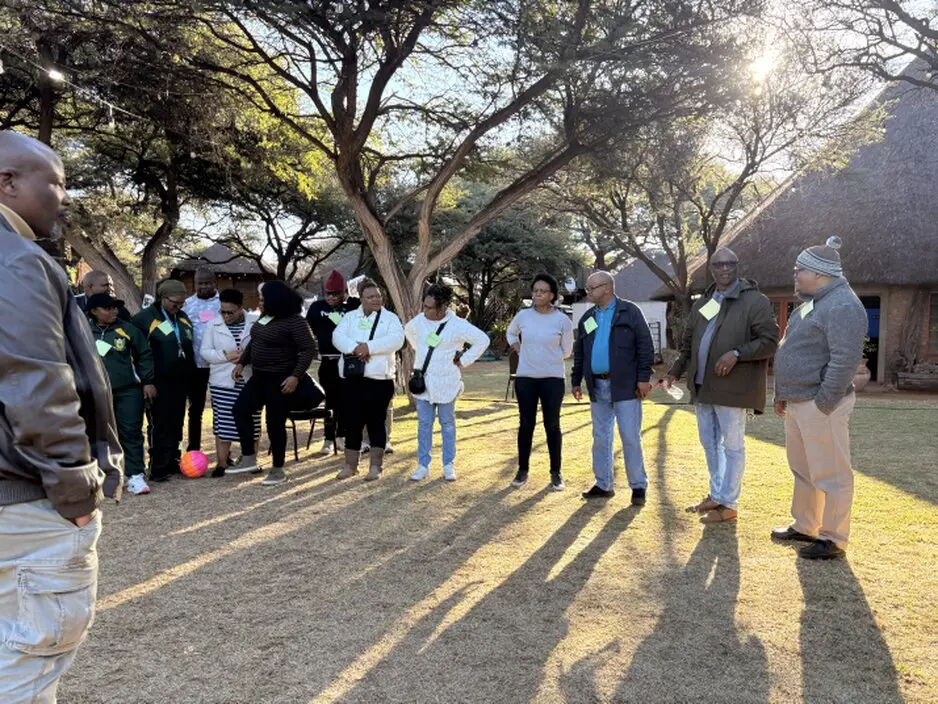
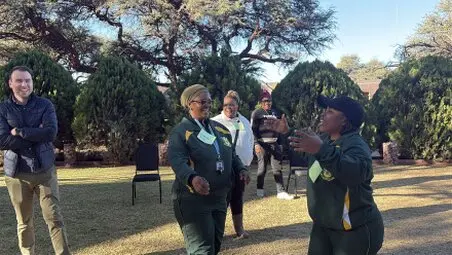
A highlight of the programme was the World Cup of Regional Collaboration, an interactive simulation that used the dynamics of soccer to illustrate the realities of collaborative regional development.
Working in teams, participants navigated the "game" of regional collaboration by identifying players, understanding different institutional roles and responding to challenges that often delay development projects. The activity reinforced that successful regional development requires coordinated action, shared leadership and trust between multiple partners—much like a successful football team depends on every player contributing to a common objective.
The following morning's "Post-Match Analysis" encouraged participants to reflect on the barriers to implementation within local government, including unclear roles, limited coordination, weak leadership and the absence of shared implementation plans.
“There used to be many questions /blame-game between political heads and administration. We now understand our roles and can now respond to the community enquiries with confidence and be open about it without blaming one another.”
From Ideas to Commitment
The final session focused on translating learning into action. Political and administrative leaders reflected separately and collectively on how collaborative leadership could be embedded within their municipalities and sustained beyond the programme.
Discussions explored strengthening institutional relationships, preparing for political transition and ensuring that regional development remains a shared priority regardless of changing leadership. Councillors nearing the end of their terms also reflected on the importance of onboarding incoming representatives to the region's collaborative foundations.
Participants committed to strengthening cross-boundary collaboration between Gamagara and Tsantsabane, working towards a shared regional vision, prioritising catalytic infrastructure and investment, and continuing to build on the relationships established during the programme.
“Leadership starts with self-awareness. Relationships are as important as strategy. Lead through influence, not authority.”
Where To Now?
Rather than marking the end of a training programme, the final session signalled the beginning of a new phase of collaborative regional action.
Across three learning sessions, participants developed a shared language around collaboration, strengthened relationships between political and administrative leaders, and explored practical ways to address regional challenges together.
As participants returned to their municipalities, the challenge was clear: maintain the momentum, embed the commitments made throughout the programme, and continue working together to build a more resilient, connected and prosperous regional future.